
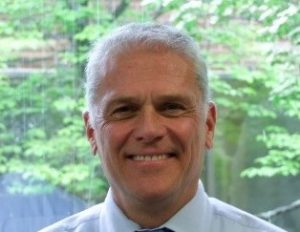
 If you’ve been through MITAGS’ Navigation Skills Assessment Program (NSAP®)™ and/or have sat in a classroom with MITAGS’ Instructor and Lead NSAP® Assessor, Captain Jerry Hasselbach, odds are you’ve seen him present on or discuss the Doubt Signal.
Captain Hasselbach has had the ability over the last several years to witness and assess over 1000 NSAP® sessions. During these sessions, Captain Hasselbach has gained more knowledge and lessons learned than he could have originally imagined, leading to what has developed into a presentation on the Doubt Signal.
In his presentation, he shares one of the most frequently misunderstood situations that is covered under the ColRegs. The situation being referenced is the simple situation of having another vessel crossing from one’s port side, and one’s status and resultant duties under the ColRegs changing several times as one’s mental state changes.
Captain Hasselbach has put his Doubt Signal presentation into written form to share it with the maritime community in hopes that the outcome will be better understood by all mariners and be taught in maritime schools around the world. . Click the button below to read this article.
To speak to someone at MITAGS about the NSAP®, contact us here.
Related Posts
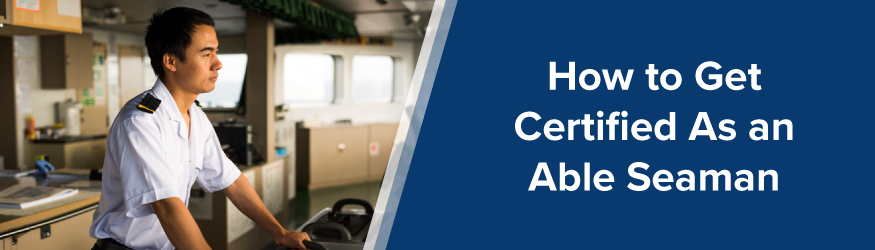
How to Get Certified As an Able Seaman
What is an able seaman? An able seaman is someone legally certified by the U.S. Coast Guard to perform on-deck duties aboard merchant vessels. This certification is required to crew vessels over 100 gross tons. An able seaman can work in a variety of marine industries and helps with vessel operations, maintenance and safety. If […]
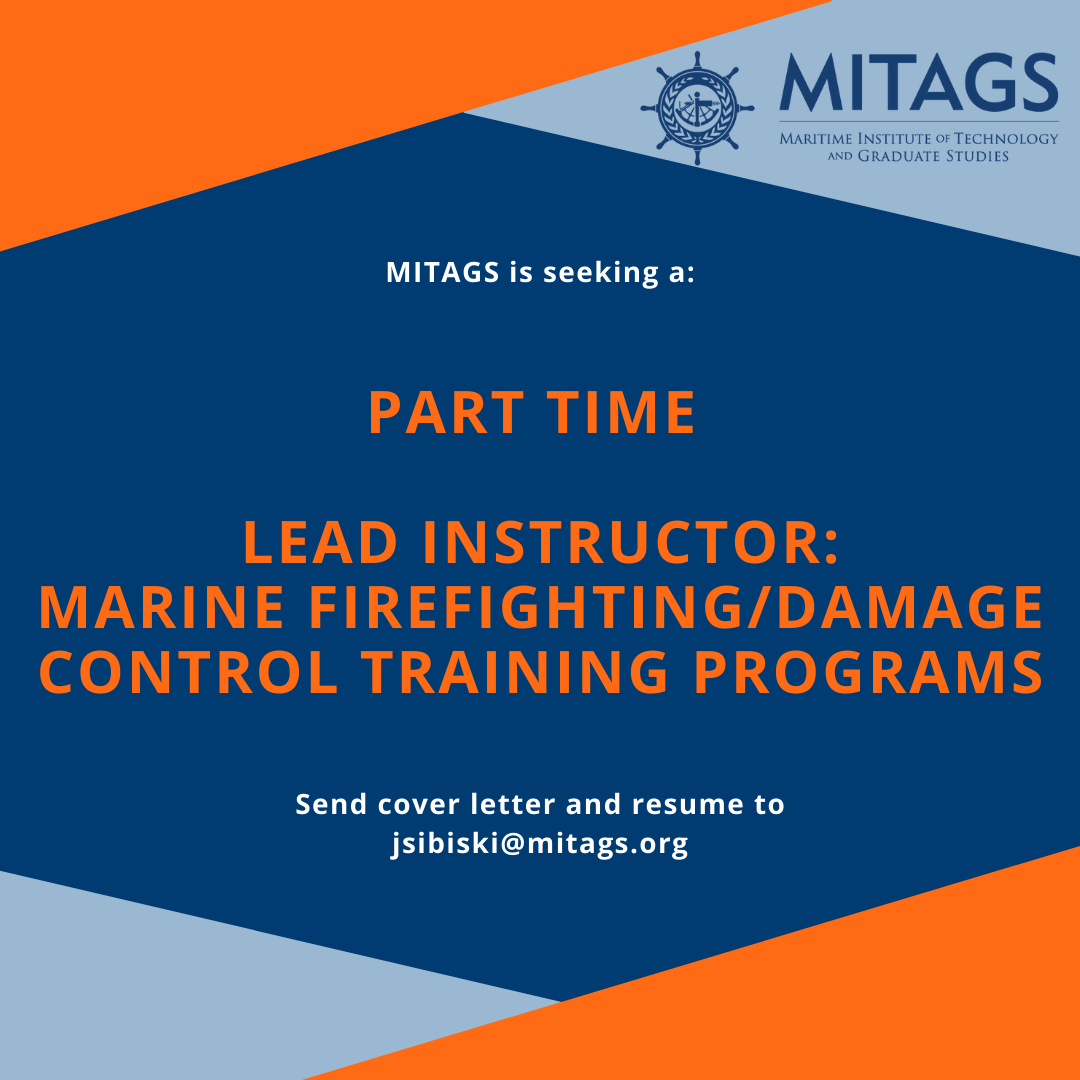
Part Time Lead Instructor Marine Firefighting/Damage Control
MITAGS is seeking a Part Time Lead Instructor – Marine Firefighting/Damage Control Training Programs for its West Coast campus! SUMMARY STATEMENT Responsible for presenting Firefighting/Damage Control Training for Maritime and Navy Programs. Provides classroom instruction to students and live fire and damage control training in line with Navy curriculum or USCG approved curriculum. Ensures course […]
MITAGS’ Campuses Reopen for Training
MITAGS East and West Coast Campuses have reopened for training! Read more to learn about phase one of our re-opening protocols in response to the COVID-19 pandemic