
 If you’ve been through MITAGS’ Navigation Skills Assessment Program (NSAP®)™ and/or have sat in a classroom with MITAGS’ Instructor and Lead NSAP® Assessor, Captain Jerry Hasselbach, odds are you’ve seen him present on or discuss the Doubt Signal.
Captain Hasselbach has had the ability over the last several years to witness and assess over 1000 NSAP® sessions. During these sessions, Captain Hasselbach has gained more knowledge and lessons learned than he could have originally imagined, leading to what has developed into a presentation on the Doubt Signal.
In his presentation, he shares one of the most frequently misunderstood situations that is covered under the ColRegs. The situation being referenced is the simple situation of having another vessel crossing from one’s port side, and one’s status and resultant duties under the ColRegs changing several times as one’s mental state changes.
Captain Hasselbach has put his Doubt Signal presentation into written form to share it with the maritime community in hopes that the outcome will be better understood by all mariners and be taught in maritime schools around the world. . Click the button below to read this article.
To speak to someone at MITAGS about the NSAP®, contact us here.
Related Posts
Guide to Ship Cybersecurity
Your Guide to Ship Cybersecurity Types of Cyber Attacks Stages of a Cyber Attack Identify Cyber Vulnerabilities How to Create a Plan Cybersecurity Training In an age where electronics seemingly control everything, cybersecurity has never been more critical to the marine sector. We depend on electronics for everything from vessel navigation to maintenance, and their […]
Guide to Maritime Security
The maritime industry is one of the largest on the planet, and ensuring operations at sea continue safely takes determined effort. The implementation of maritime security takes both knowledge and vigilance, and is essential to enhance security enforcement without slowing down the timely flow of international commerce. Throughout this article, we’ll cover everything you’ll want […]
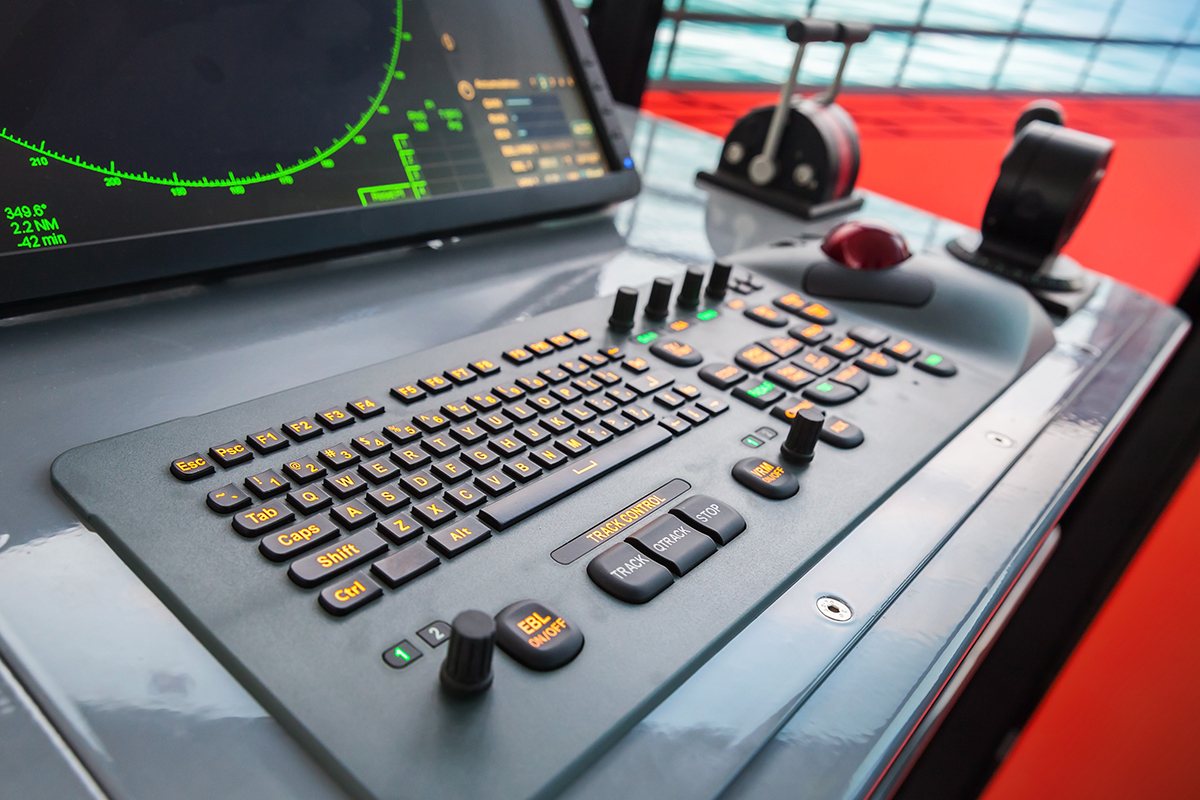
Crowd Management in the Maritime Industry
Crowd management is the act of aiding and controlling large crowds aboard your ship and keeping passengers calm during emergencies or chaotic circumstances. Some common causes for crowd control on board passenger vessels include waiting lines at special events, public gathering spaces like pools, bars and buffet tables or hazardous situations like storms and fires. […]