
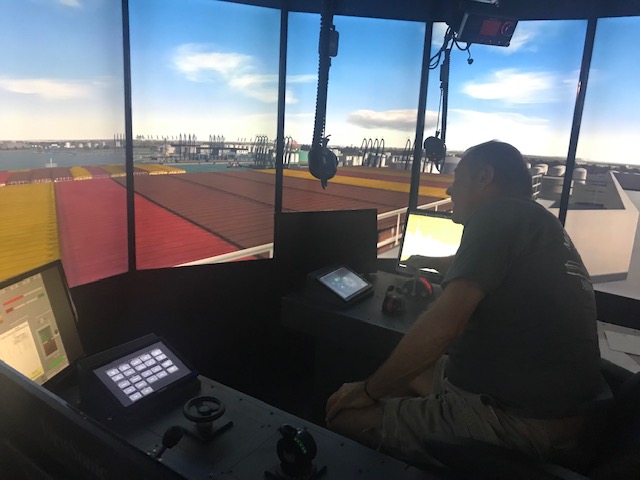
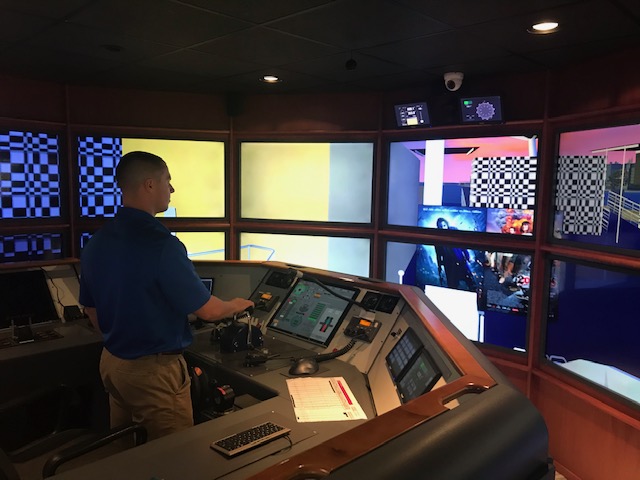
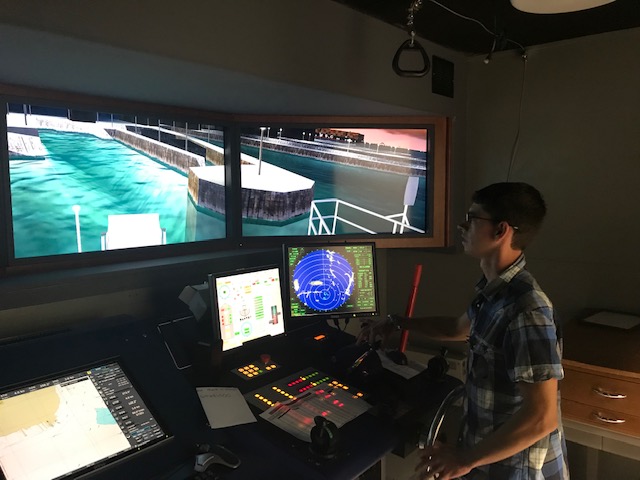
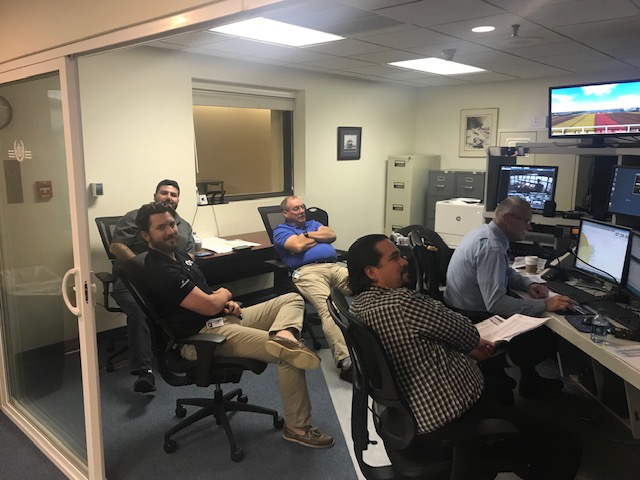
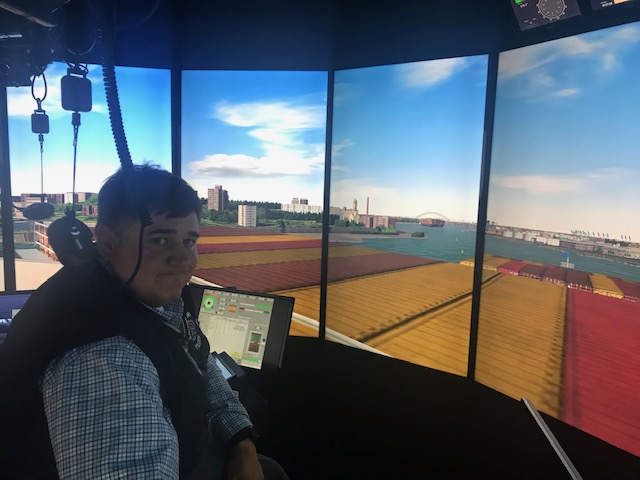
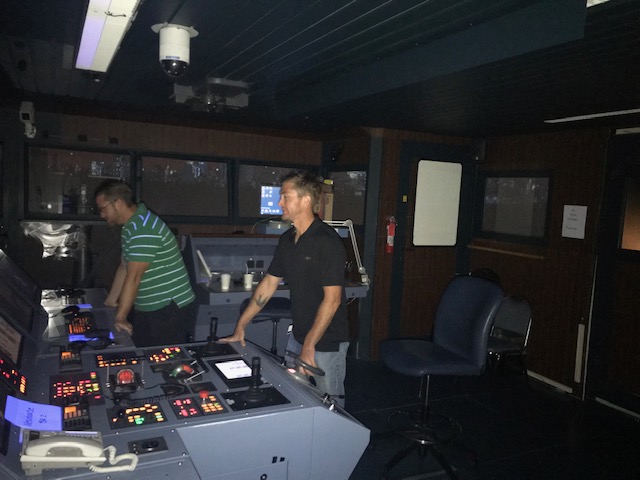
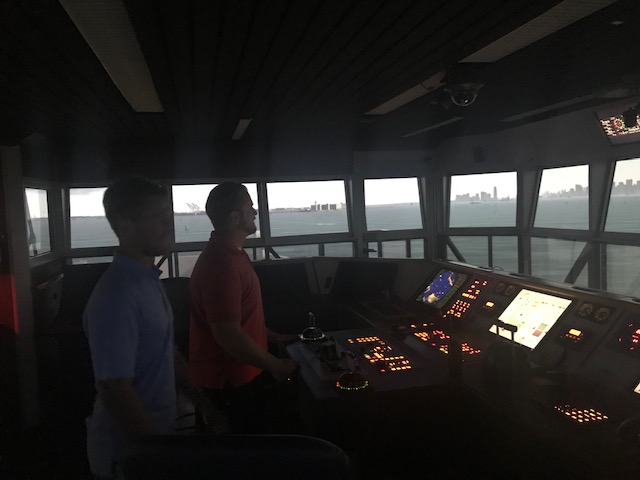
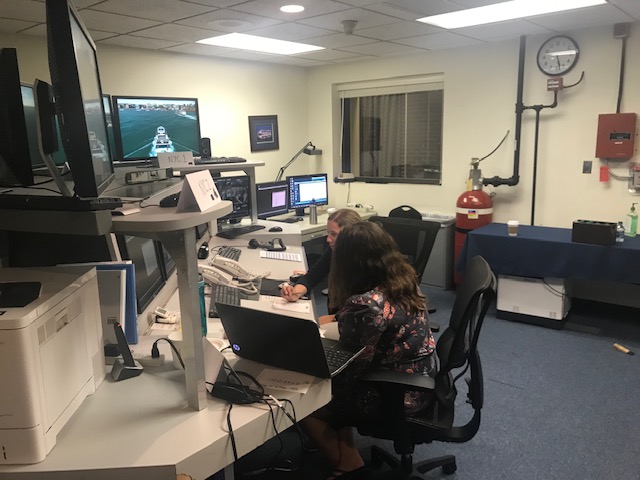
Last month, MITAGS worked with the Staten Island Ferries and the NYC Ferry to conduct simulation research to assess safety concerns from the maritime community regarding additional ferry service by NYC Ferry at the St. George terminal. The assessment included the following:
- Separate simulations incorporating two different landing spots. One directly under the Staten Island Ferry administration building at Slip 7, and the other approximately 300’ north of the SIF Fuel Facility;
- Utilized the current Staten Island Ferry rush hour schedule in the morning and in the afternoon;
- Utilized the proposed NYC Ferry rush hour schedule;
- Provided simulation of approaches and departures from Robbins Reef Light – slightly above the KV Buoy;
- Incorporated the radio chatter with the Ferry Terminal Supervisor and the Vessel Traffic System;
- Incorporated the normal harbor traffic on Conhook Range based on estimates from VTS;
- Incorporated speeds as obtained from AIS.
Using six of our simulators in tandem, MITAGS was able to replicate the proposed schedules of both ferry lines and the above requirements, providing all parties with the research needed to assist with making an informed decision and action plan. Representatives from the Staten Island Ferry, NYC Ferry, the Sandy Hook Pilot Association, Metro Pilots and the U.S. Coast Guard were present.
Related Posts
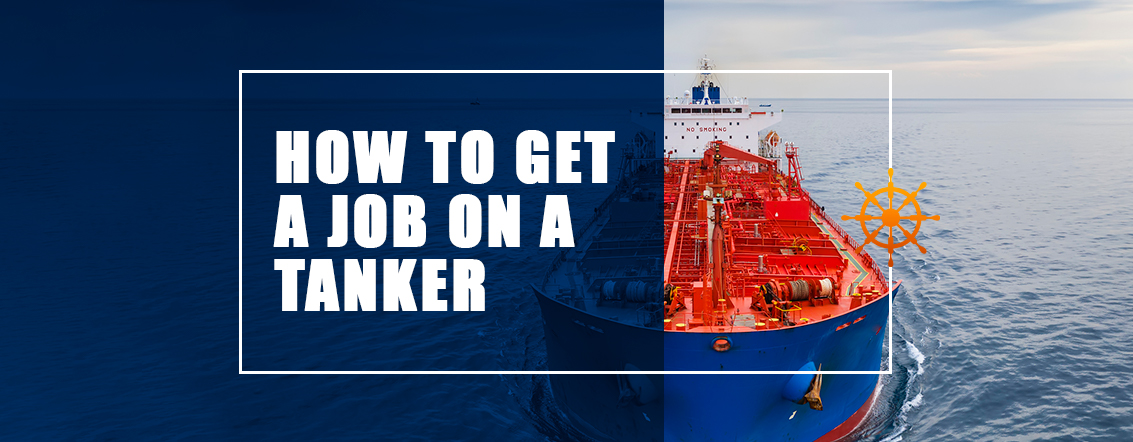
How to Get a Job on a Tanker
For those who love the sea and maritime studies, starting a career at sea on tankers may be a path worth exploring. With plenty of options in the maritime industry, available jobs needed aboard tankers and the chance for international travel, tankers provide many benefits for those looking to gain experience in the shipping industry. What […]
Guide to Ship Cybersecurity
Your Guide to Ship Cybersecurity Types of Cyber Attacks Stages of a Cyber Attack Identify Cyber Vulnerabilities How to Create a Plan Cybersecurity Training In an age where electronics seemingly control everything, cybersecurity has never been more critical to the marine sector. We depend on electronics for everything from vessel navigation to maintenance, and their […]
Leadership at Sea
Importance of Leadership | What Makes a Good Leader | How to Develop Leaders | How Leadership Can Affect Your Career | Take Leadership Courses From global trade and passenger transport to national defense and more, the maritime industry plays a critical role in the world. For a ship to function as it needs to, every […]