As of June 1, per new Washington State regulations, by Governor Inslee’s orders:
Any employee/student coming to work/class on a location in Washington from any state that is not contiguous to Washington must self-quarantine for 14 days to become eligible to work or attend class in Washington.
This will be in effect through PHASE 2 of Washington States’ reopening. Currently MITAGS West is in Phase 1, so we anticipate this will last at least through mid-July.
For additional information from Governor Inslee’s office regarding both Phase 1 and 2 of the reopening of higher education and workforce training programs, click here.
If you have questions or concerns about traveling to MITAGS West and wish to speak to a school advisor, please contact us here.
Related Posts
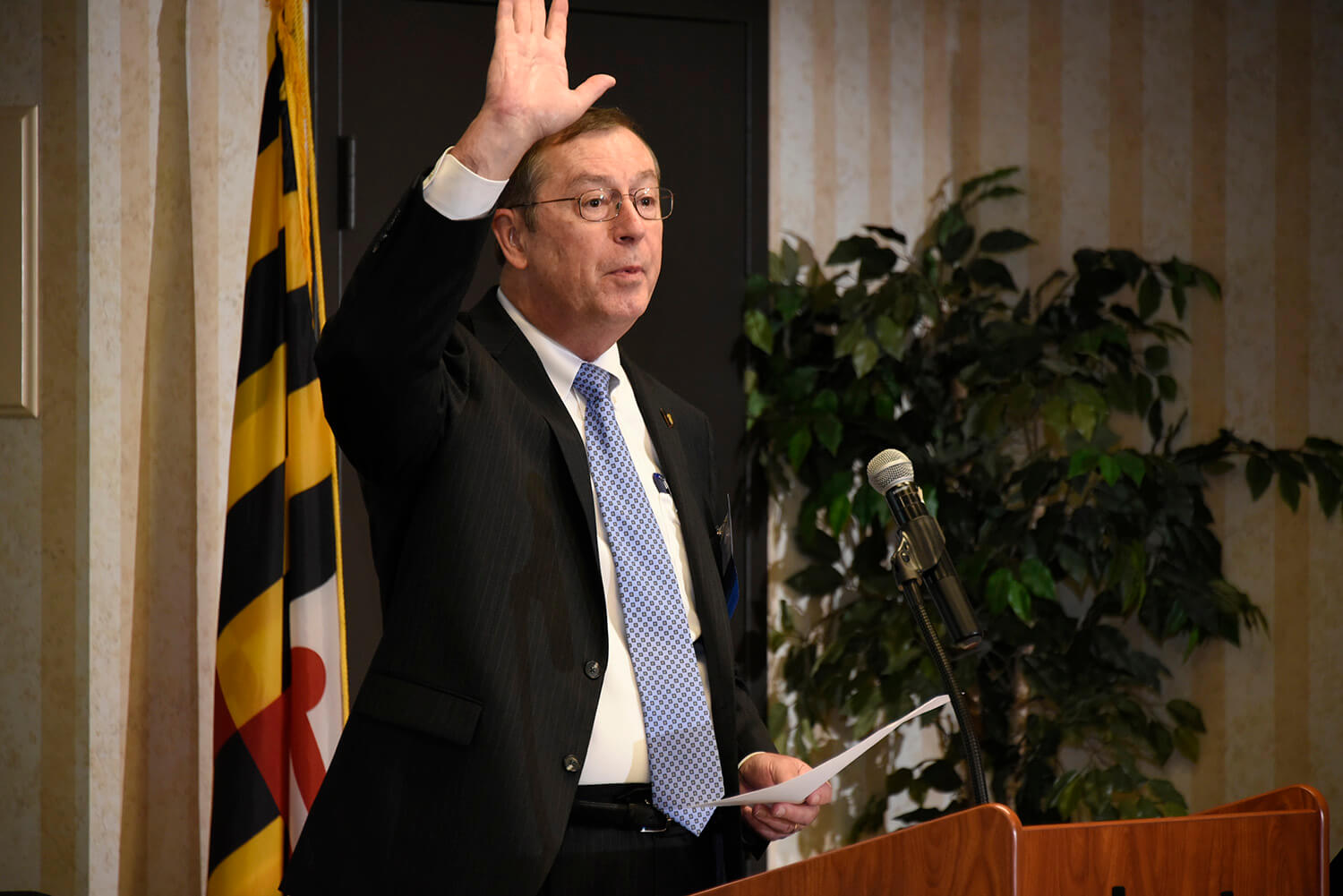
Glen Paine, Executive Director, MM&P MATES Program, Retires After More Than 23 Years at the Helm
On behalf of the MM&P MATES Program, The Maritime Institute of Technology and Graduate Studies (MITAGS) and Maritime Conference Center (MCC) announce the retirement of long-time Executive Director, Glen Paine after more than 23 years at the helm. Glen’s successor, as selected by the MATES Program trustees, is Director of MITAGS, Eric Friend. Read more.
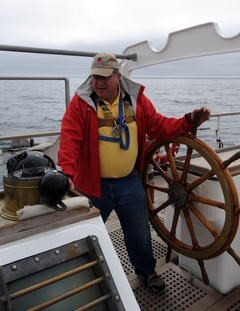
The Passing of Lee Chesneau
At MITAGS, we were deeply saddened upon learning of Lee’s passing. Throughout his long career, Lee was the most ardent champion for providing mariners with timely, accurate, and understandable marine weather forecasts. His work, along with many other dedicated professionals at the NWS Ocean Prediction Center, has prevented or mitigated countless weather related injuries, loss […]
Memorandum: Recent Public Health Concerns
A memo to all students and guests as we monitor the situation regarding the 2019 Novel Coronavirus (COVID-19).